
Date: 23rd March 2024
As I sit at Milan airport, waiting to board our flight home, the last 18 days blur around me like sunlit snapshots from a moving train—equal parts adventure, chaos, beauty, and quiet reflection. Memory is already hazy, but I know that once I start writing, it will bloom again, vivid and alive.
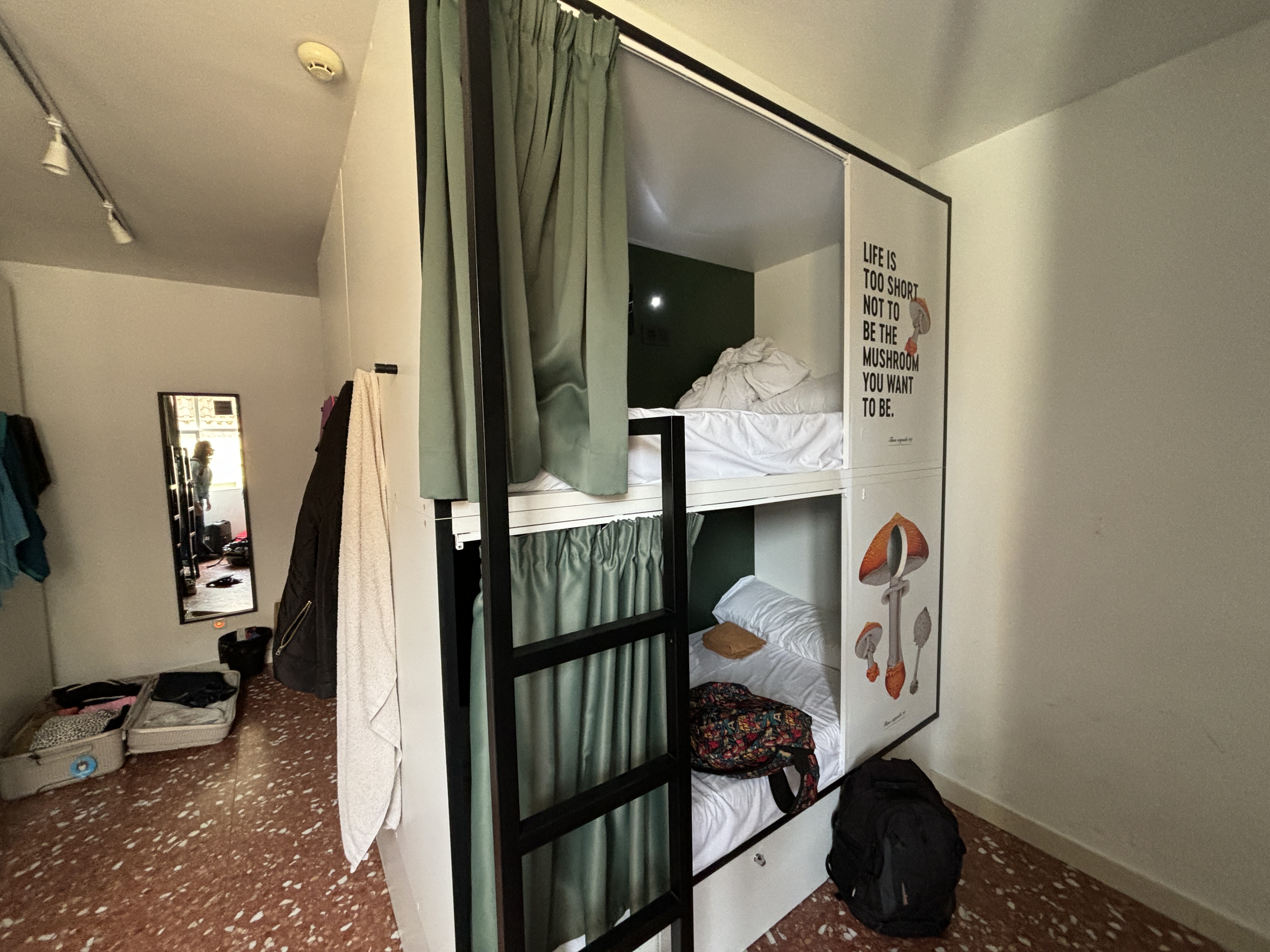
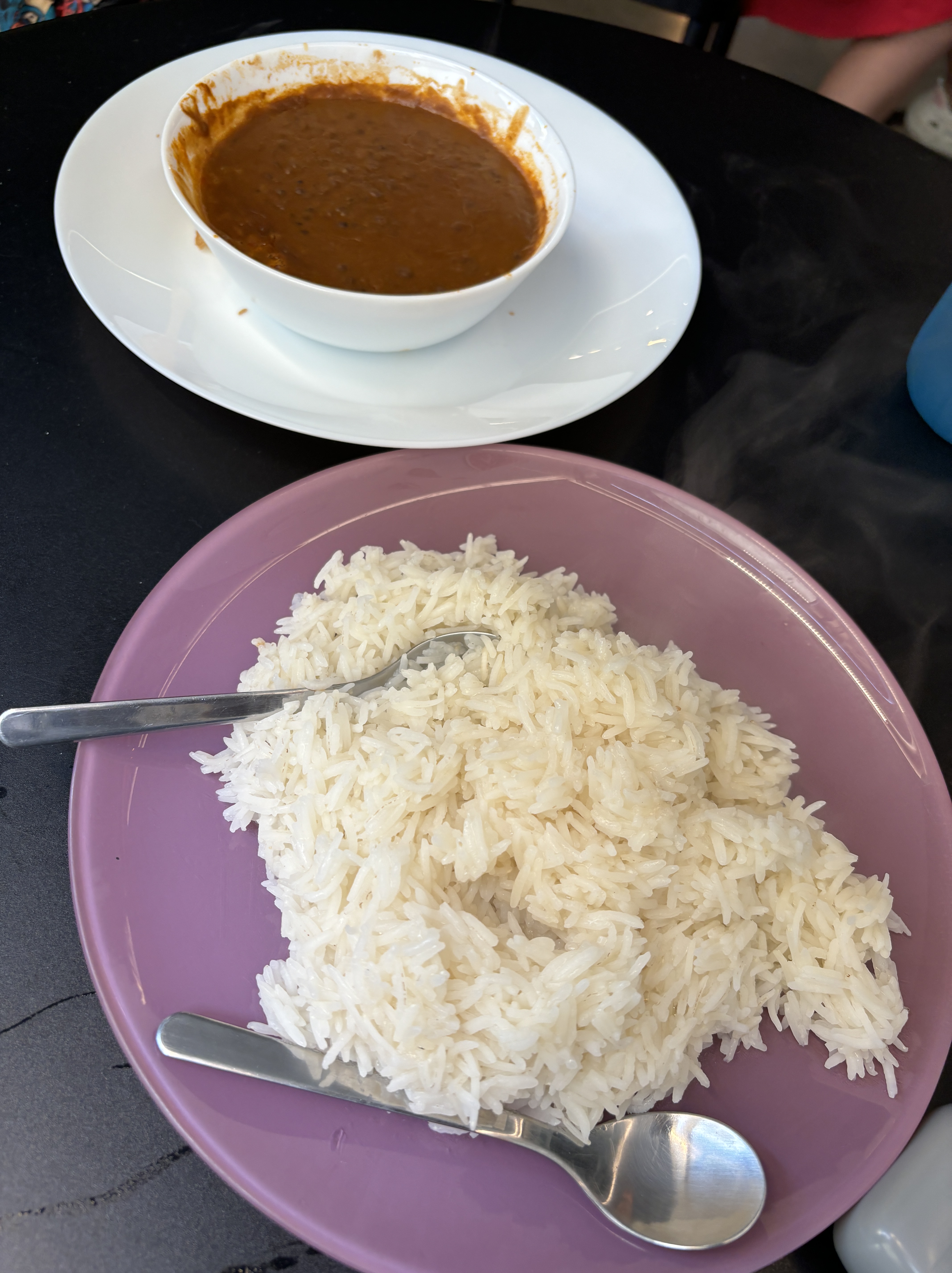
Our final Spanish adventure took us to Toledo, and like every “last day,” it began with good intentions and a late start. The comfort of our Madrid hostel kept us lingering. The dormitory bunk beds, with their quirky motivational poster—“Life is too short not to be the mushroom you want to be”—had already become part of our travel rhythm. Before leaving, I even cooked rice and dal, our first proper comfort meal of the trip. Sitting down to steaming bowls of lentils and fluffy rice felt grounding, a taste of home after weeks of tapas, pastries, and café meals.
At the bus station, Spain reminded us of its quirks: long queues, silent ticket machines, and no staff in sight. Honestly, it felt familiar—like India, where patience and improvisation are part of the journey. We managed our tickets, hunted down the platform, and joined the snaking line. And then came Harshit, in classic “Harshit mode,” maneuvering us to the front with quiet confidence. One elderly couple shot us a glare sharp enough to pierce stone, but we laughed it off. Travel karma, we decided, had already balanced itself somewhere else.
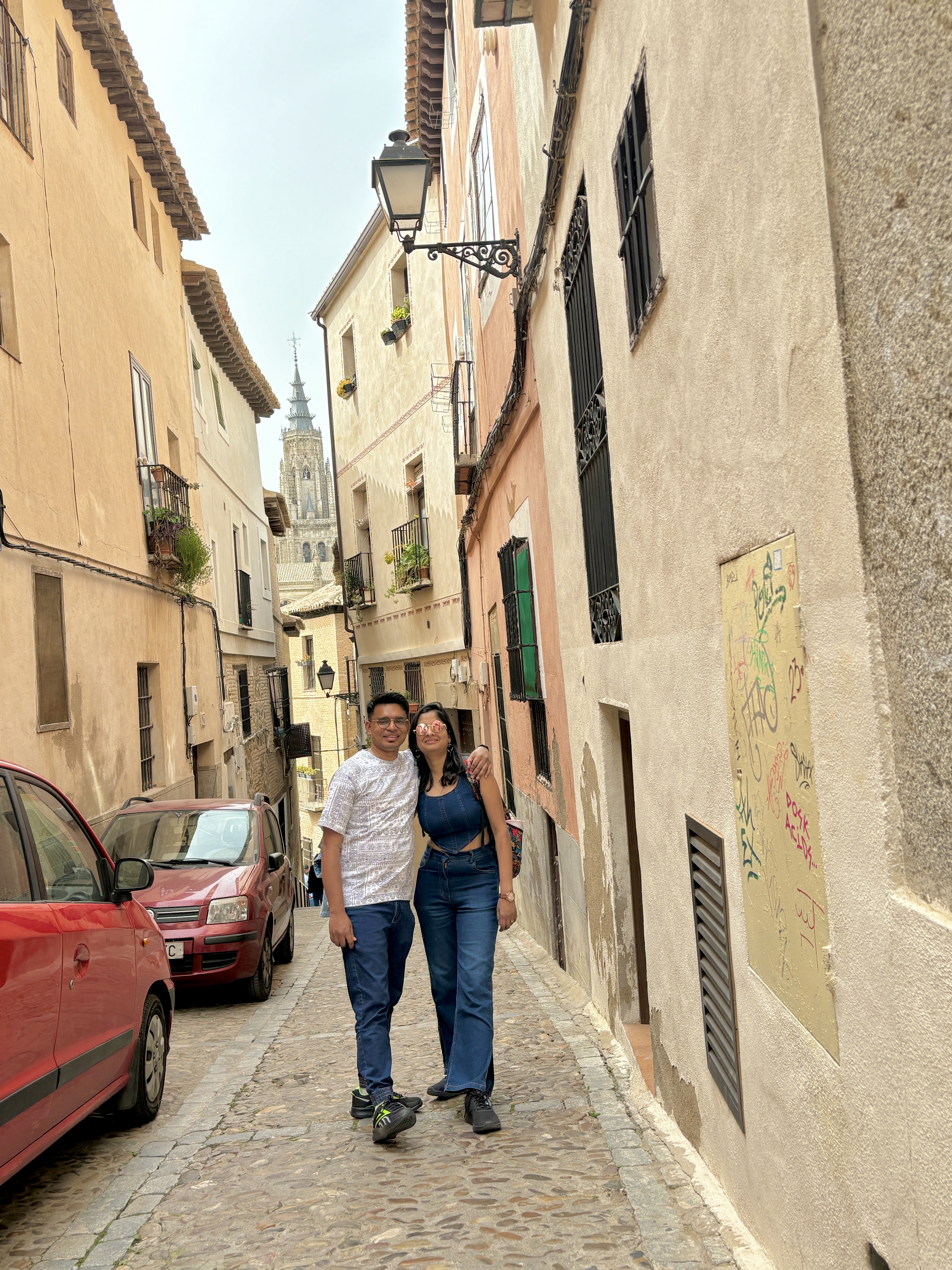
By 11 a.m., Toledo unfolded before us—a world apart from Madrid. The moment we stepped off the bus, a hush fell. From the capital’s bustle to Toledo’s slow rhythm, it felt like stepping into another century. Cobbled streets wound through ancient walls, golden light bounced off stone that had stood for hundreds of years, and the air carried a stillness we hadn’t realized we needed.
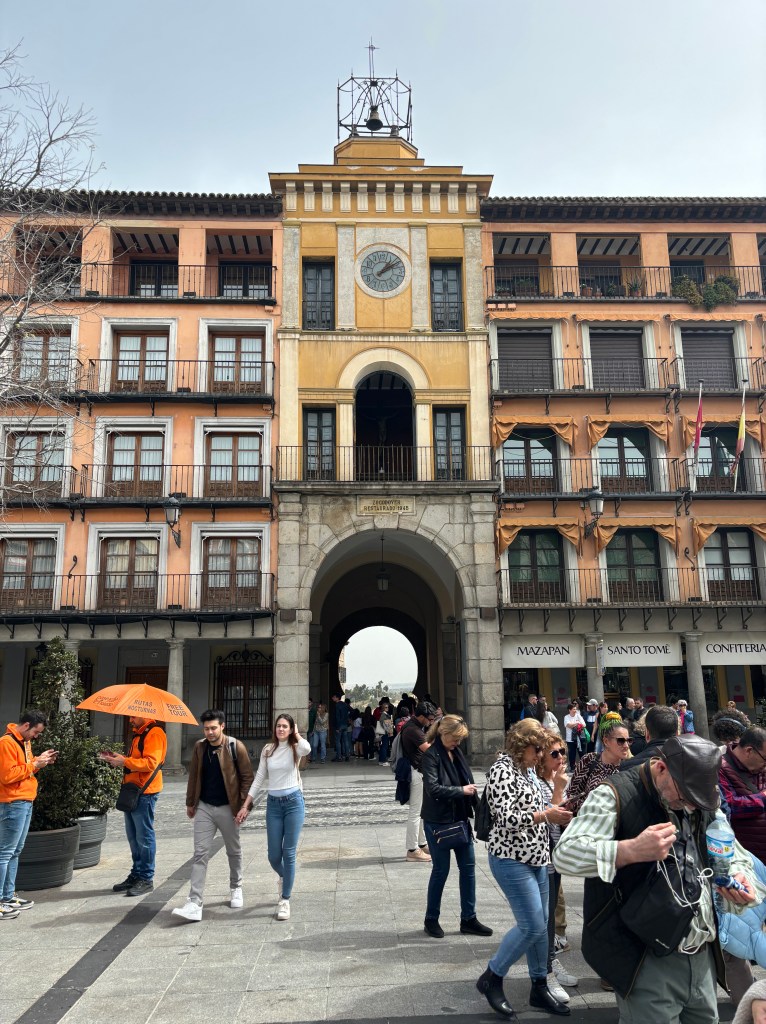
We had a planned tour at Plaza de Zocodover that was canceled due to low turnout, but that turned into a gift. The square itself felt like the perfect starting point—Toledo’s beating heart, once a marketplace for goods and livestock, later a stage for festivals, announcements, and even bullfights. Today, it’s alive with cafés spilling onto cobblestones, locals weaving through tourists, and the hum of conversation echoing against historic façades. Standing there, we felt the pulse of Toledo’s everyday life, a vibrant contrast to the quiet alleys and solemn cathedrals.
A local guide handed us a hand-drawn map, offered food recommendations, and with that, we curated our own walking tour. For the first time on our trip, every step was ours to decide. Cathedrals, watchtowers, courtyards—we stitched together our own path through history. Our legs ached by the end, but our hearts were full.
Somewhere in a quiet alley, I made a mistake I’ll never repeat: ordering bubble tea in Europe. It was watery, sad, and out of place. The shop owner was Korean, and it struck me—why drink a Korean treat in a Spanish city, when both cultures have such rich culinary stories? That was my last bubble tea of the trip, and I carried no regrets.
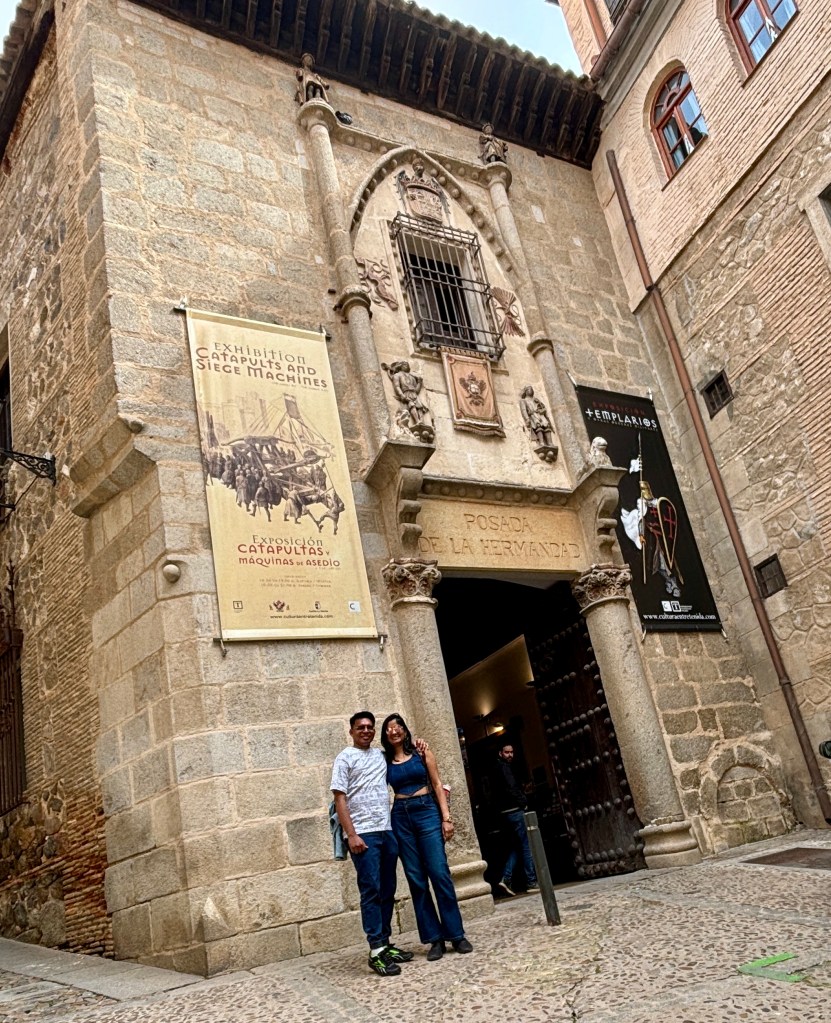
Before heading deeper into the city, we stopped at the Posada de la Hermandad, a medieval building whose stone façade seemed to carry centuries of stories. Once the headquarters of a brotherhood, today it hosts exhibitions that bring Toledo’s past vividly to life—swords, catapults, and relics of medieval warfare displayed alongside banners honoring figures like King Fernando III. Standing before its carved stone entrance, with heraldic shields and ornate detailing above the arch, felt like stepping into a portal where civic duty, faith, and history intertwined.
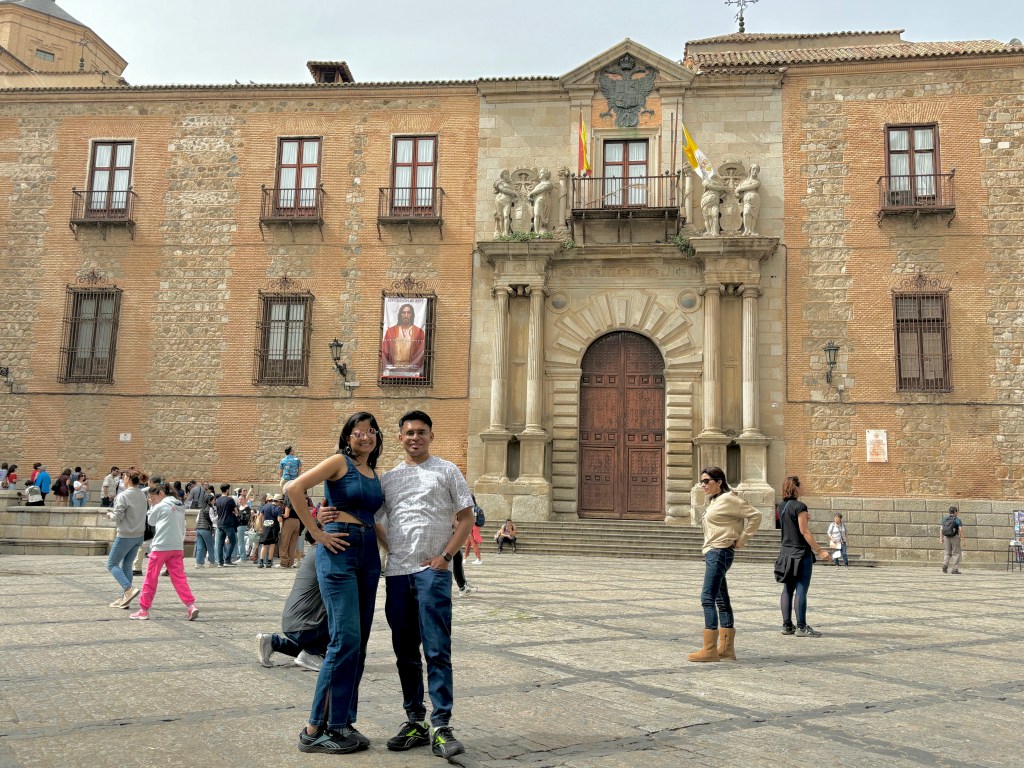
Just beside it stood the Archbishop’s Palace of Toledo, equally commanding in its own way. Its stately balconies and ornate façade reminded us that Toledo was not only a city of worship but also a seat of ecclesiastical power, where religion and civic life intertwined. The palace seemed to anchor the square, a silent witness to centuries of decisions that shaped the city’s destiny.
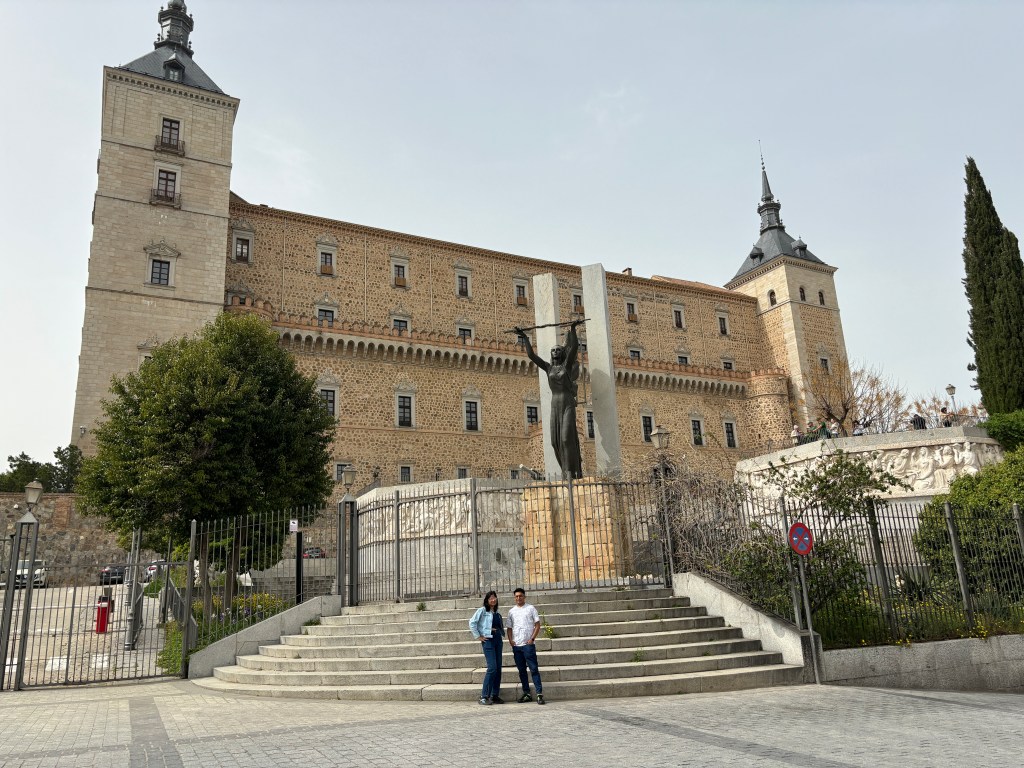
From there, we made our way to the Alcázar of Toledo, its fortress towers rising with an authority that felt unshakable. The stone walls carried the weight of battles, resilience, and reinvention. In front of it, a solemn monument stood—a statue holding a cross-like structure, stark against the backdrop of the fortress. It was a reminder that Toledo’s story is not just one of beauty, but of endurance, faith, and strength carved into stone.
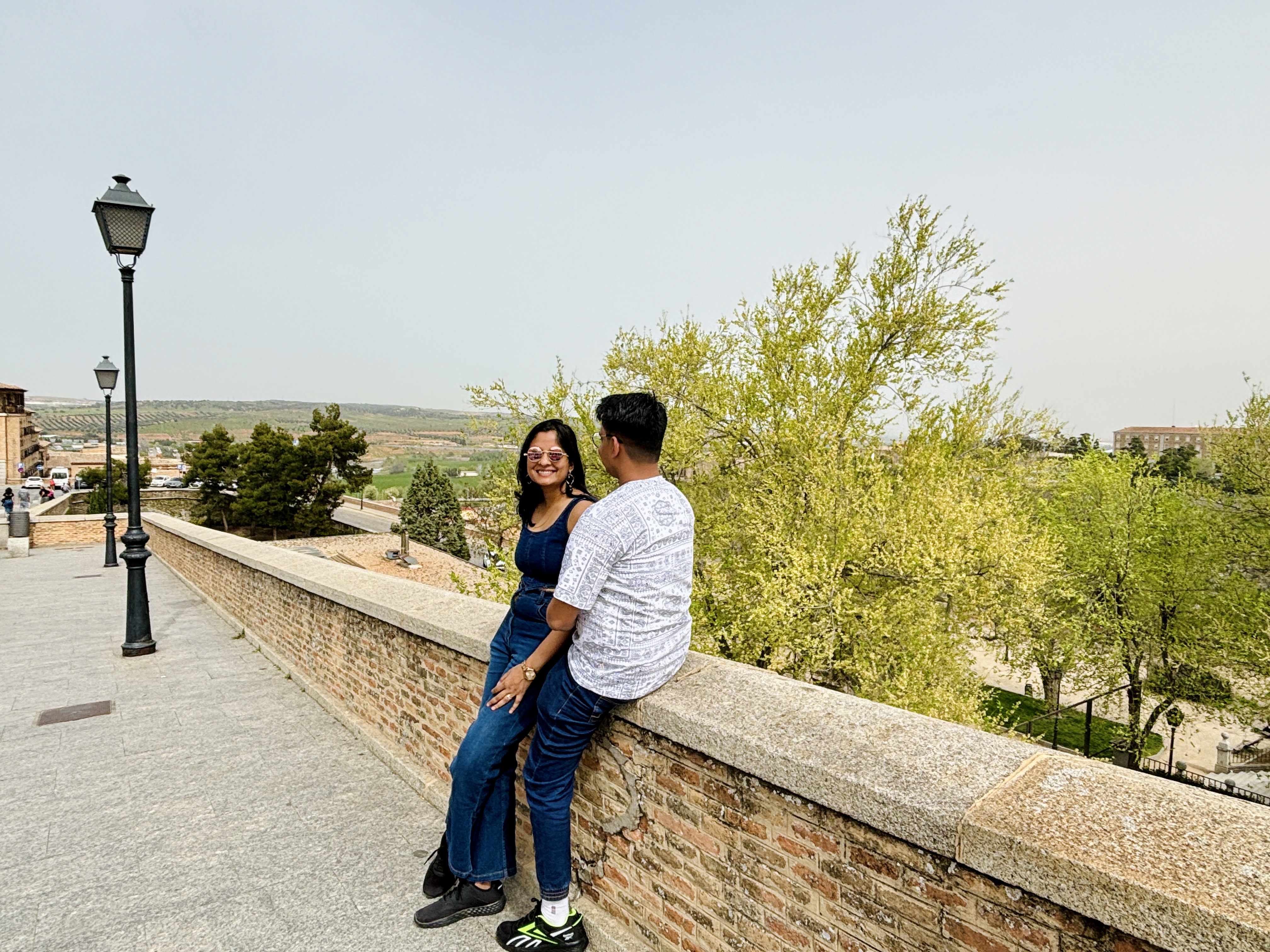
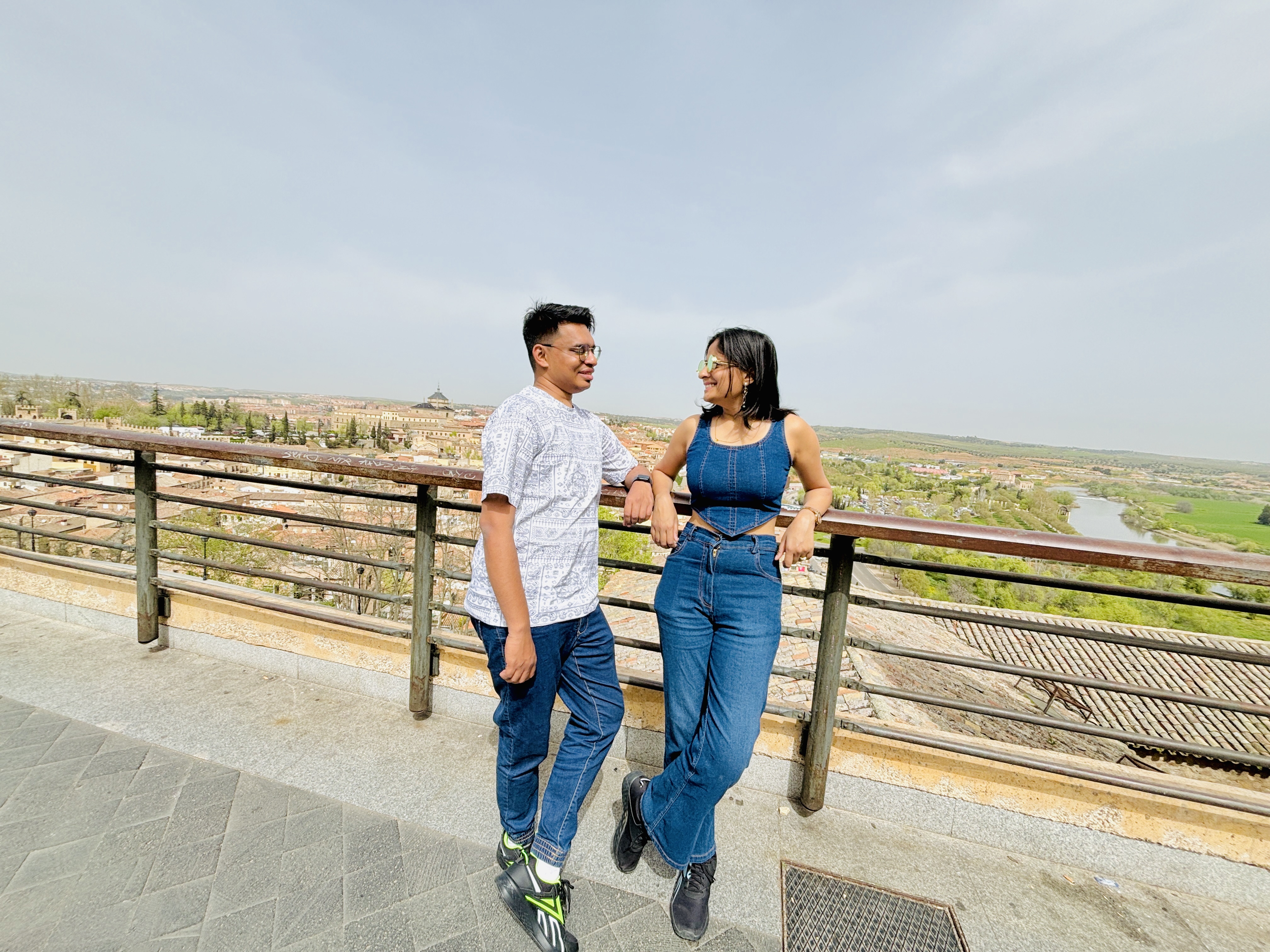
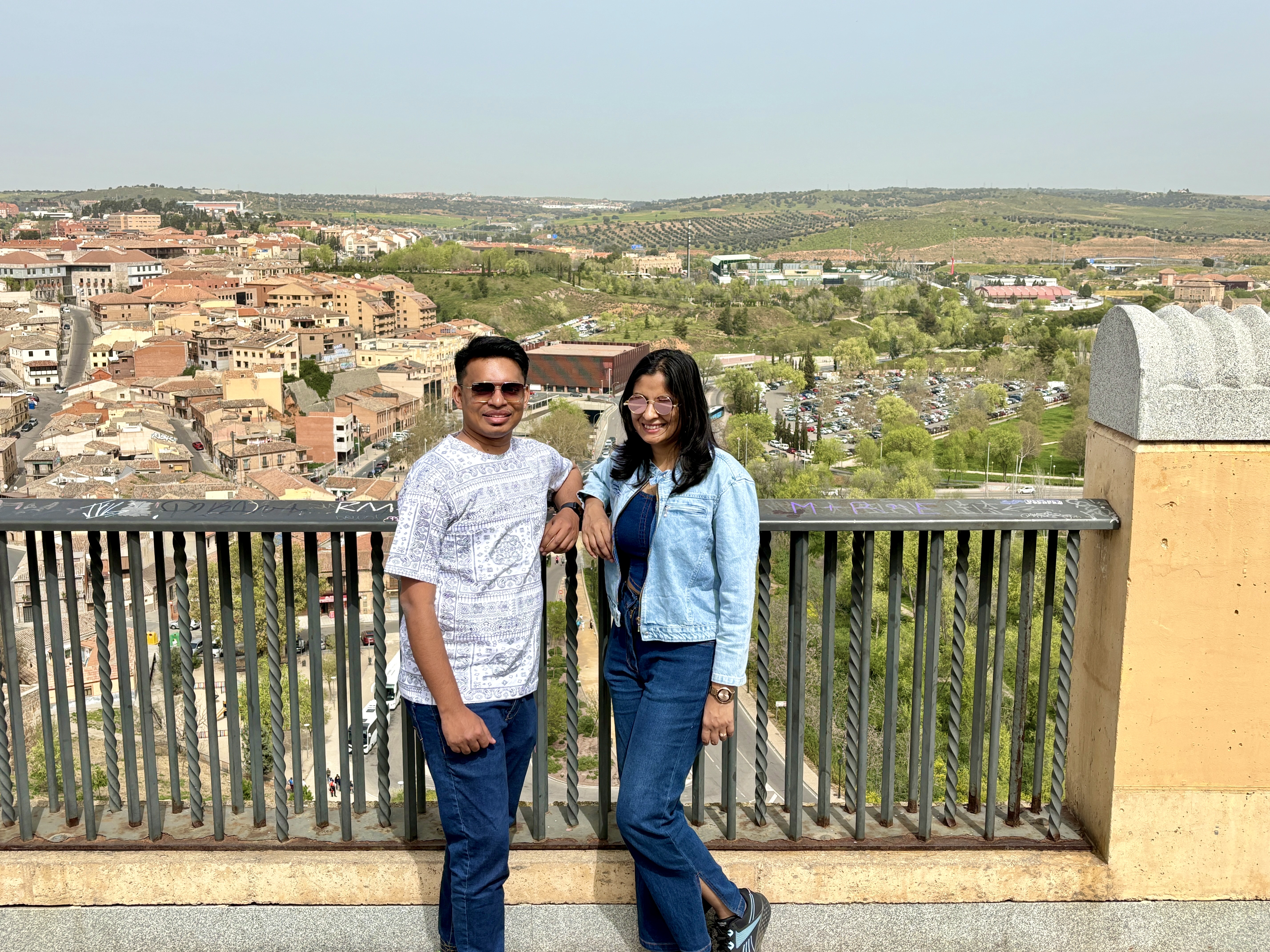
After hours of wandering Toledo’s winding streets and capturing photos against its medieval backdrops, we finally slowed down by the banks of the Tagus River. The water shimmered under the afternoon light, framed by cliffs and greenery, offering a moment of calm after the city’s uphill climbs. Sitting there, with the sound of the river flowing steadily beneath us, felt like a pause in the day—a chance to breathe and let the city’s beauty sink in.

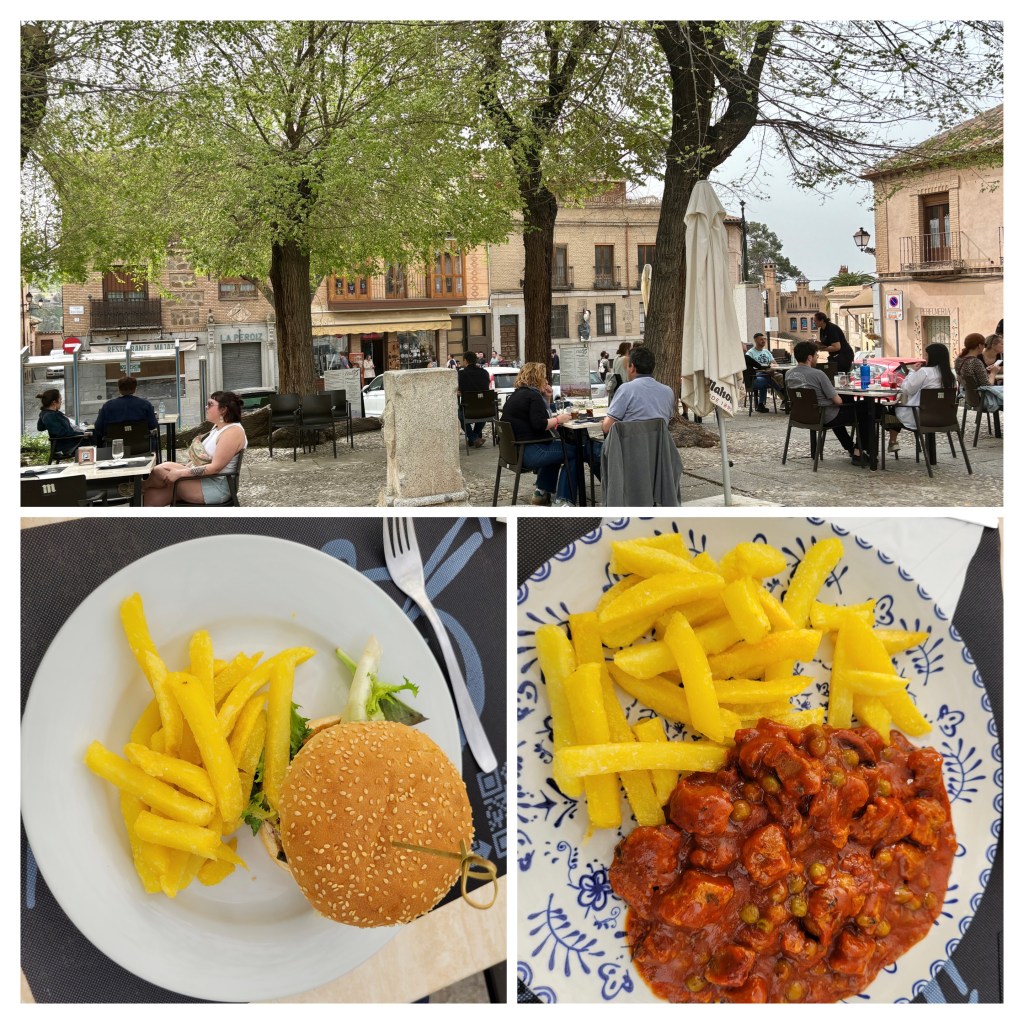
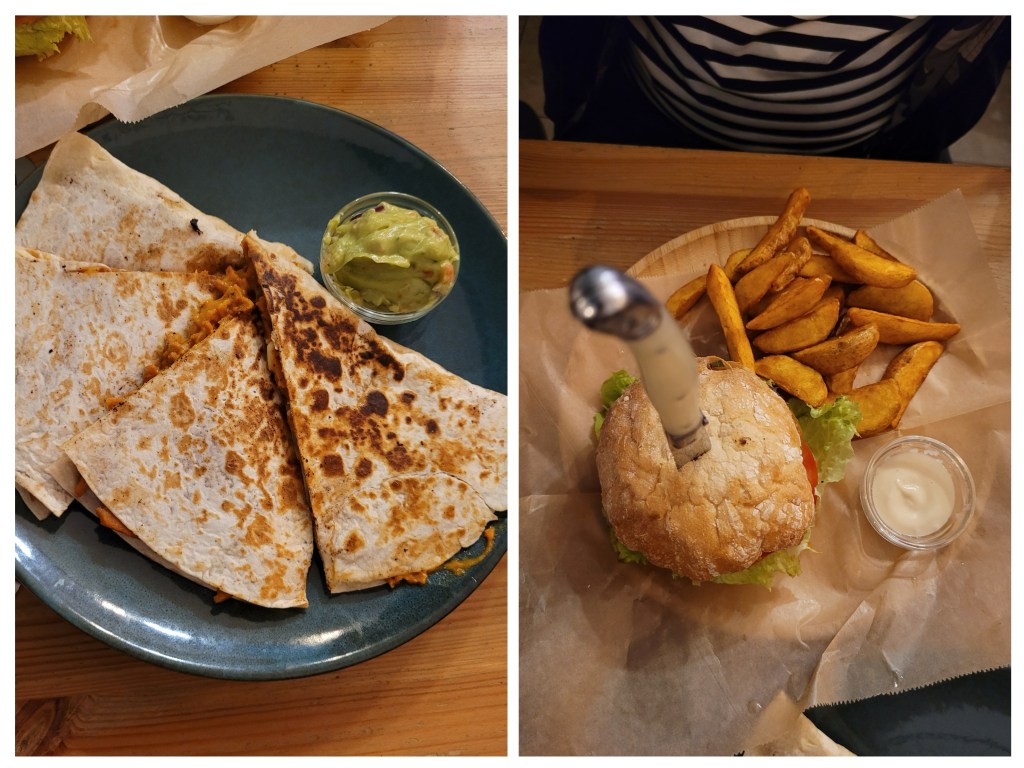
Hunger eventually pulled us away, and we chose a restaurant with outdoor seating, hoping for a leisurely Spanish lunch. We waited about 10–15 minutes before our food arrived: a vegan Spanish-style skew and a burger. The skewer was decent, but the burger turned out to be the worst we’d ever tasted—dry, bland, and utterly forgettable. We laughed it off, deciding it would be remembered not for its flavor but for the story it added to our trip.
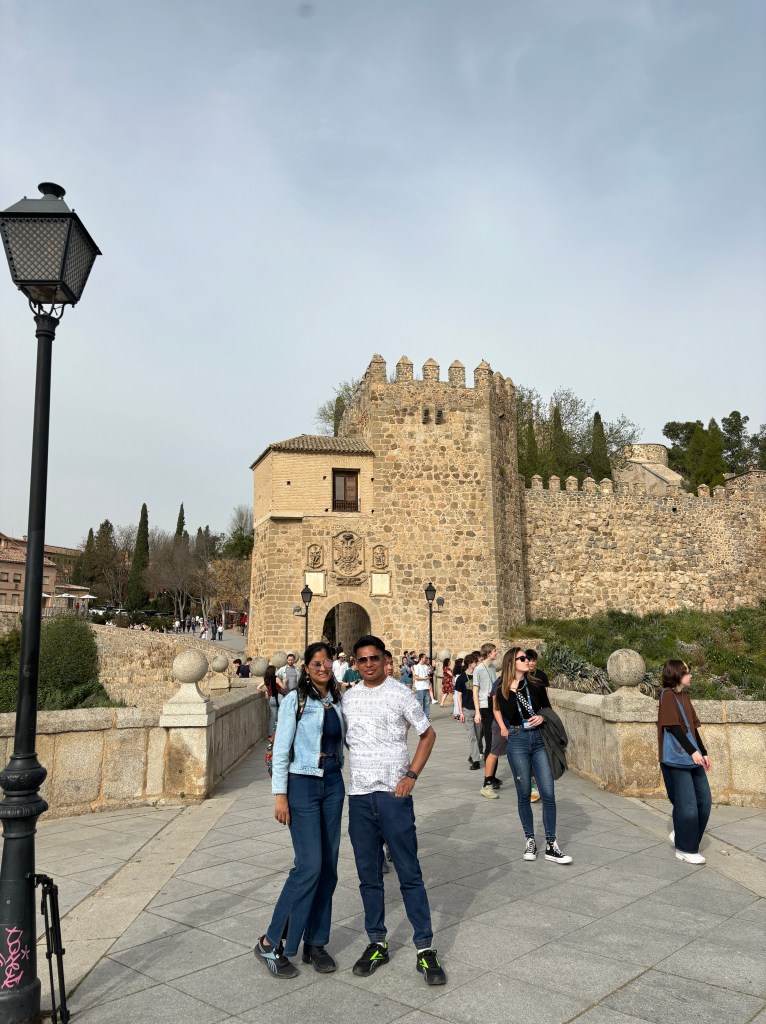
With our stomachs filled (if not satisfied), we continued our exploration and made our way to the Puente de San Martín, one of Toledo’s most iconic medieval bridges. Stretching across the Tagus with its grand stone arches, the bridge was built in the 14th century and once served as a vital crossing into the city. Standing on it, gazing at the river below and the city rising in the distance, we felt the weight of history under our feet. The bridge wasn’t just a passage—it was a monument to Toledo’s resilience, connecting centuries of travelers just like us.
On our way back to the station, we stumbled upon a wedding outside a church. It was cinematic—silk gowns, camera flashes, quiet awe. We lingered just long enough to see the bride step out, radiant against the backdrop of Toledo’s timeless streets, before melting back into the crowd.
By 6 p.m., we were back in Madrid—tired, hungry, but content. Our hostel offered a bar-hopping event that night, but we passed. That’s never been our scene. Still, I’d recommend it to anyone who loves nightlife—it looked lively, full of music and laughter. Instead, we grabbed dinner at a nearby café, packed our bags, and rested before boarding our overnight bus to Porto. The hostel staff were kind enough to let us store our luggage for free and use their lounge and washroom in the evening. Those small kindnesses matter more than they seem—they soften the edges of travel.
Now, as I type this from Milan, with a plane waiting and my mind spinning through memories, I know this trip will stay with me. We didn’t just see places—we moved through them, carrying our own little universe in backpacks, chasing stories down alleyways, and watching sunsets that made us feel both tiny and infinite.
Spain—you were vibrant, messy, soulful. Toledo—you slowed us down in all the right ways.
And now, onward to Portugal…
Must-Visit Places in TOLEDO
If you ever find yourself in Toledo, here are some incredible spots to explore:
- Alcázar of Toledo – A historic fortress with sweeping views.
- Toledo Cathedral – Gothic grandeur with intricate details.
- El Greco Museum – The art and legacy of El Greco.
- Puente de Alcántara – An ancient Roman bridge still standing strong.
- Monastery of San Juan de los Reyes – A beautiful Gothic monastery.
- Synagogue of Santa María la Blanca – A window into Toledo’s Jewish history.
- Museo del Ejército – Spain’s military past preserved.
- Plaza de Zocodover – The lively heart of the city.
- Posada de la Hermandad – A medieval building hosting exhibitions of weapons and royal history.
- City Gates & Fortified Bridges – Walk through Toledo’s stone archways, battlements, and fortress bridges to feel its medieval soul.
 From Office Blues to Worldly Views